


Starting your first investment portfolio might seem challenging, but breaking it into simple, manageable steps makes the process much easier. By focusing on the basics and aligning your investments with your financial goals and comfort with risk, you can take a confident step toward financial security.
Learn how to identify your financial goals, explore various investment options, and build a well-balanced portfolio. With clear steps and practical advice, you’ll be equipped to make smart financial decisions and grow your investments over time.
What Is an Investment Portfolio?
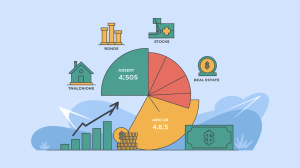 An investment portfolio is a collection of assets such as stocks, bonds, mutual funds, and other securities. Think of it as a basket holding different types of investments, each playing a role in reaching your financial goals.
Your portfolio should reflect your specific needs. For example, someone nearing retirement might focus on stability and income, while someone saving for a vacation may prefer less risky, more liquid options. Understanding your personal goals is the first step in creating a portfolio that works for you.
Steps to Build Your First Portfolio
Creating your first portfolio is a big milestone in building your financial future. Here’s a step-by-step guide to help you get started:
1. Set Clear Financial Goals
Define what you want to achieve with your investments. Are you saving for retirement, buying a home, or planning for a child’s education? Knowing your objectives keeps you focused and helps you choose investments that align with your plans.
Identify measurable targets, such as the amount you want to save and when you’ll need the money. Clear goals help you track progress and make adjustments when needed.
2. Assess Your Risk Tolerance
Understand how much risk you’re comfortable with. If market fluctuations make you uneasy, you might prefer more stable investments. If you’re open to higher risk for potential growth, consider stocks or other growth-focused assets.
Your risk tolerance also depends on your goals and time horizon. A balanced approach is often a good starting point, offering steady growth without extreme ups and downs.
3. Choose the Right Investment Account
Pick an investment account that aligns with your goals. Options include tax-advantaged accounts like IRAs, 401(k)s, or regular brokerage accounts. For long-term goals like retirement, accounts with tax benefits may be more suitable.
Pay attention to fees, taxes, and transaction costs when selecting an account. These factors can impact your overall returns, so it’s worth understanding them from the beginning.
4. Decide on Asset Allocation
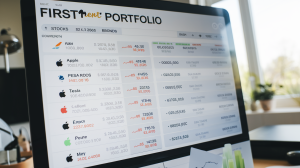
Distribute your investments across different asset types, such as stocks, bonds, and cash. Diversification reduces risk by preventing any single investment from dominating your portfolio. For instance, if one asset underperforms, gains from others can help balance your overall returns.
5. Select Your Investments
Once you’ve decided on your asset allocation, choose specific investments that fit your strategy. Stocks offer growth potential, while bonds provide stability. Consider options like index funds or ETFs for broad market exposure with lower fees.
Avoid following market trends impulsively. Focus on investments that align with your financial goals and risk preferences.
6. Monitor and Adjust Your Portfolio
Review your portfolio regularly to keep it aligned with your goals. Market conditions change, and your needs may shift over time, so periodic adjustments are necessary. For example, if your portfolio becomes too focused on one asset type, rebalancing can restore balance.
Strategies for Successful Investing
Successful investing requires discipline, planning, and flexibility. These strategies can help you build a strong foundation for long-term growth:
Long-Term Focus
Investing with a long-term perspective allows you to benefit from compound returns and ride out market fluctuations. This approach is especially helpful for goals like retirement or buying a home. Diversifying your investments further supports long-term stability by spreading risk across different asset types.
Regular Contributions
Consistently adding to your investments can grow your wealth over time. Dollar-cost averaging, which involves investing a fixed amount at regular intervals, helps reduce the impact of market volatility.
Using tax-advantaged accounts, like IRAs, can also reduce tax burdens and increase your savings.
Rebalancing Your Portfolio
Market changes can cause your portfolio to drift from its intended allocation. Rebalancing involves selling assets that have grown beyond their target and reinvesting in those that have lagged. This keeps your portfolio aligned with your goals and risk tolerance.
Consider your life stage when rebalancing. For example, a young professional might focus on growth-oriented investments, while someone approaching retirement may prioritize stability.
Common Mistakes to Avoid
When building your portfolio, keep these common errors in mind:
 Overtrading: Frequent buying and selling can lead to high fees and lower returns.
- Lack of Diversification: Concentrating too much on a single asset or sector increases risk.
- Ignoring Fees: High management fees and transaction costs can reduce your returns.
- Emotional Decisions: Reacting to market fluctuations often leads to poor investment choices.
Achieve Your Investment Goals With Confidence
Creating your first investment portfolio is an exciting step. By following these steps and strategies, you can build a portfolio that reflects your needs and goals. Take time to research, stay informed, and remain patient. Successful investing is about making consistent, thoughtful decisions that support your financial future.
The sooner you start, the more time your investments have to grow. Visit Wealth Waves Media for more strategies on investment.
Stay informed with Wealth Waves Media for the latest insights and updates on building a strong financial foundation.
