


Inflation has become a major concern today, with its effects rippling across various aspects of life, including the value of life insurance policies. Rising costs can erode the purchasing power of your policy, reducing the coverage you rely on to protect your loved ones.
As inflation grows, it becomes critical to assess whether your policy keeps pace with these changes, ensuring that it continues to provide the financial security you intended. Reviewing your life insurance policy regularly is an effective way to address these challenges. Taking a proactive approach can help maintain your policy’s relevance in changing economic conditions.
Here’s what you need to know about how inflation impacts life insurance and what you can do to protect your coverage.
Understanding Inflation
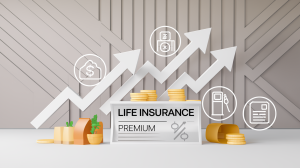 Inflation refers to the rise in the cost of goods and services over time. It reduces the purchasing power of money, meaning that the same dollar buys less today than it did in the past. You may notice this when paying for everyday items like groceries or gasoline.
When it comes to life insurance, inflation can significantly diminish the value of your coverage. For example, if you purchased a $100,000 policy a decade ago, the benefits of that policy today may no longer cover the same expenses due to increased costs.
Insurance premiums also tend to rise as companies adjust their rates to account for higher claims and operating expenses. Conducting an annual review of your policy and consulting an insurance expert can help you address inflation’s effects, ensuring that your coverage remains effective over time.
How Inflation Impacts Life Insurance
Inflation affects life insurance in several ways, from increasing premiums to reducing the buying power of benefits. Understanding these effects is essential to maintaining the value of your coverage.
1. Rising Premium Costs
As operational costs rise due to inflation, insurance companies often pass these expenses on to policyholders by raising premiums. For example, a policy with a monthly premium of $100 might increase to $125 or more over time. Reviewing your budget and understanding how these adjustments affect your overall finances is vital to staying prepared.
2. Cash Value Depreciation
 For whole life insurance policies, which accumulate cash value over time, inflation can reduce the purchasing power of these savings. If inflation outpaces the growth rate of your policy’s cash value, the amount you’ve built up may not cover future expenses as expected. For instance, $10,000 in cash value today may not stretch as far in a year or two. Regularly assessing your policy’s growth relative to inflation can help safeguard its value.
3. Reduced Buying Power of Benefits
While the face value of a life insurance policy remains constant, inflation erodes the real value of its benefits. For instance, a $250,000 policy may seem substantial today but might fall short of covering future costs as living expenses increase. When selecting coverage amounts, it’s wise to account for inflation’s long-term impact on purchasing power.
Comparing Whole and Term Life Insurance
Inflation affects whole and term life insurance differently. Whole life policies accumulate cash value over time, which can partially offset inflation’s impact. However, term life policies, which offer coverage for a set period, lack this feature, making them more vulnerable to inflation.
When deciding between whole and term life insurance, consider your financial goals and the potential long-term effects of inflation. Whole life policies may offer more stability against inflation, while term policies could be suitable for specific short-term needs.
Factors Driving Rising Insurance Costs
Various economic factors contribute to increasing insurance costs, including global events and local trends. Here are some examples:
- Economic Disruptions: Events like the ongoing conflict in Ukraine have led to energy shortages and higher utility bills, which indirectly impact insurance premiums.
- Technological Risks: The rise in high-tech theft methods, such as keyless car theft, has driven up claims and costs for insurers.
- Supply Chain Challenges: The COVID-19 pandemic disrupted supply chains, increasing repair and healthcare costs, which insurers factor into their pricing models.
These factors highlight why insurance premiums often rise alongside inflation, affecting affordability for many policyholders.
Policy Add-Ons to Combat Inflation
Policy add-ons, or riders, offer ways to adapt your coverage to inflation and changing needs. Here are some valuable options to consider:
- Cost of Living Rider: This rider adjusts your coverage amount annually to match inflation, helping ensure that your policy remains adequate over time.
- Waiver of Premium: If you’re unable to work due to illness or injury, this rider allows you to maintain your coverage without paying premiums during your recovery.
- Accelerated Death Benefit: This feature provides access to a portion of your policy’s benefits in cases of chronic, critical, or terminal illness, helping cover increased healthcare expenses.
Adding these riders to your policy can provide flexibility and added security, ensuring your coverage adapts to inflation’s challenges.
Inflation’s Broader Impact on Life Insurance
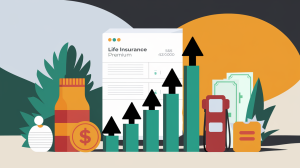 The insurance industry is not immune to inflation. As costs rise, insurers must adjust premiums and coverage structures to account for increased claims and operational expenses. Some insurers offer inflation-indexed benefits, which grow over time to maintain their value. This flexibility demonstrates the industry’s ability to respond to economic changes and provide policyholders with relevant options.
Staying informed about these trends is essential for navigating the evolving insurance landscape. Keeping track of industry updates can help you make informed decisions and maintain effective coverage.
Protecting Your Financial Future
Inflation presents a challenge to life insurance, but understanding its effects and staying informed can help you adapt to changing economic conditions. Regularly reviewing your policy, exploring add-ons, and keeping up with industry trends are key steps to ensuring your coverage remains effective.
Stay updated with the latest insights and strategies for navigating life insurance in the age of inflation by following our articles at Wealth Waves Media.
