

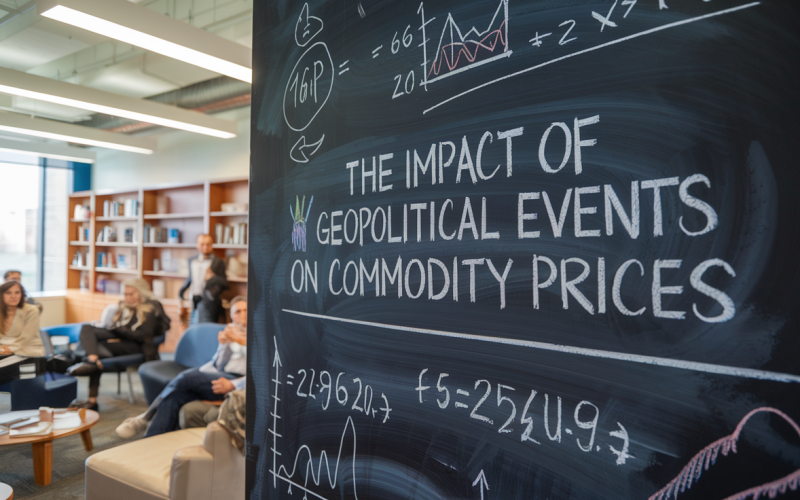
Geopolitical events have a major influence on global commodity prices, causing shifts in supply, demand, and market trends. Events like trade agreements, conflicts, or sanctions can lead to rapid changes in pricing, impacting businesses and consumers alike.
Understanding these dynamics helps businesses make strategic decisions and allows consumers to anticipate market shifts. At Wealth Waves Media, we provide insights that help you navigate these challenges and stay ahead in uncertain times.
The Connection Between Geopolitics and Commodities
Geopolitical events shape commodity markets by influencing supply, demand, and investor sentiment. Recognizing these connections is important for understanding market behavior and making informed decisions.
Gold: A Reliable Option in Uncertain Times
 Gold remains a dependable investment during periods of geopolitical tension. For example, gold prices increased following Russia’s invasion of Ukraine, as investors sought stability. Its inverse relationship with real yields on U.S. Treasuries makes it a popular hedge during economic uncertainty.
BRICS+ institutions account for more than two-thirds of global official gold purchases, reflecting their confidence in gold as a stable reserve. This trend highlights gold’s continued relevance in managing geopolitical risks.
Oil: A Commodity Sensitive to Global Events
Oil prices also respond to geopolitical events. While the Ukraine conflict caused a sharp increase in oil prices, its impact was less severe than the oil crisis of the 1970s. The U.S. economy’s unique position as the issuer of the global reserve currency provides a buffer against these shocks, helping stabilize domestic markets.
Population Changes and Commodity Demand
Demographic shifts influence demand for commodities. For instance, Hong Kong experienced a 2.2% population decline between 2019 and 2022, altering regional consumption patterns. These changes underline the connection between geopolitics, population trends, and economic activity.
Current Geopolitical Risks Shaping Commodity Prices
The geopolitical environment is growing more complex, with both traditional conflicts and emerging threats like cyberattacks creating uncertainty. These risks underline the connection between global politics and economic stability.
Cyber Threats to Global Stability
The growing reliance on digital infrastructure has exposed essential services to cyberattacks. In February 2022, a cyberattack temporarily disrupted the European Parliament’s website, demonstrating how such incidents can impact markets and commodities.
The Russia-Ukraine Conflict
The ongoing conflict between Russia and Ukraine continues to disrupt global markets. It has affected energy supplies, heightened food insecurity, and contributed to inflation. Tensions between NATO and Russia further complicate trade and access to vital resources like energy.
Political Uncertainty and Trade Adjustments
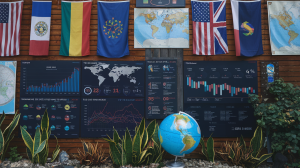
Elections and political shifts in major economies create uncertainty, affecting commodity markets. For instance, changes in China’s trade policies have slowed exports, disrupting global supply chains and impacting key commodities.
Prolonged Crises and Market Scarcity
Extended geopolitical conflicts, such as the Russia-Ukraine war, lead to shortages in global commodity markets and drive price increases. This volatility presents challenges for businesses, investors, and policymakers working to stabilize their economies.
Implications for Commodity Markets
Geopolitical events frequently cause price swings in commodity markets, disrupting industries and economies. Analyzing these impacts helps businesses and investors prepare for sudden changes and manage risks.
Market Volatility and Safe Investments
Periods of geopolitical tension often drive investors to safe assets. During the 2007–2008 Global Financial Crisis, for instance, demand for gold and silver rose sharply. Similarly, the Russia-Ukraine conflict pushed the Total Commodity Index to record highs in early 2022.
Tools for Analyzing Market Trends
Models like ARCH and GARCH are valuable tools for studying price behavior during geopolitical disruptions. They offer insights into market patterns, helping stakeholders understand and respond to volatility.
Political Risks Across Financial Markets
Geopolitical risks extend to various financial instruments, including Islamic finance. Events like the September 11 attacks have shown how political instability impacts markets, reminding investors to approach decisions carefully in uncertain times.
Recent Trends and Key Findings
Ongoing analysis of geopolitical crises provides insights into how these events shape commodity prices. From shifts in trade practices to demographic changes, these findings show how politics and markets are closely linked.
Gold’s Role in Inflation Protection
Recent studies confirm gold’s effectiveness as a hedge against inflation, especially during geopolitical crises. BRICS countries have increased their gold purchases, demonstrating its continued relevance in economic planning.
Changes in Global Trade Practices
 BRICS nations are increasingly using local currencies to settle trade surpluses, reflecting their growing influence in global trade. This shift signals a change in traditional economic norms and highlights the interconnectedness of geopolitics and commodity markets.
Population Trends and Regional Impact
Demographic changes are affecting regional economies. For example, Hong Kong’s workforce declined by 25% between 2019 and 2022, contributing to economic shifts. These changes have widened the real estate value gap between Hong Kong and Singapore, showing how population trends influence commodities and regional markets.
Staying Ahead in a Volatile Market
Geopolitical events shape commodity prices more than ever before, with conflicts like the Russia-Ukraine war and rising tensions with China serving as clear reminders. Understanding these developments is critical for making informed decisions in an unpredictable economic environment.
At Wealth Waves Media, we deliver in-depth news and expert analysis to help you stay informed about these challenges. By following geopolitical trends and understanding their implications, you can gain valuable insights into market changes and their potential impacts.
Turn to Wealth Waves Media for reliable news and expert analysis on global events and their influence on commodity markets. Stay informed and prepared in today’s ever-changing world.
